Tips for Creating a Relaxing Home Office Environment
Creating a relaxing home office environment is essential to maintaining focus, reducing stress, and enhancing productivity during your workday. Whether you are new to working from home or looking to improve your current setup, small changes can make a big difference in how you feel and perform. In this post, we’ll explore practical tips to help you design a soothing yet efficient workspace that you’ll look forward to using every day.
Why a Relaxing Home Office Matters
A cluttered, noisy, or uncomfortable workspace can hinder your concentration and increase anxiety. On the other hand, a calm and organized environment helps you work more efficiently and supports your overall well-being. By creating a space that feels welcoming and peaceful, you’re setting yourself up for success.
Choosing the Right Location
The foundation of a relaxing home office starts with location. Here are some factors to consider:
– Natural Light: Try to position your desk near a window. Natural light improves mood and reduces eye strain.
– Quiet Space: Find a part of your home with minimal distractions and background noise.
– Privacy: If possible, select a spot that offers enough privacy for focused work and meetings.
– Space: Ensure there is enough room for your desk, chair, and any necessary equipment.
Ergonomic Furniture Is Key
Comfort plays a huge role in creating a relaxing space. Investing in ergonomic furniture can prevent aches and fatigue.
– Chair: Choose a chair that supports your lower back and allows you to sit with your feet flat on the floor.
– Desk: A desk with the proper height will help maintain good posture.
– Monitor Position: Position your computer monitor at eye level to avoid neck strain.
– Accessories: Consider a keyboard and mouse that support natural hand positions.
Declutter and Organize
A clean and tidy workspace promotes a clear mind. Here’s how to manage clutter effectively:
– Daily Cleanup: Take a few minutes at the end of each day to organize your desk.
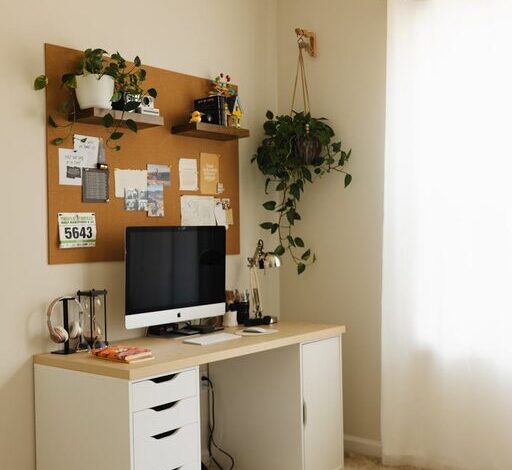
– Storage Solutions: Use drawers, shelves, and organizers to keep supplies out of sight.
– Digital Organization: Keep your computer desktop and files organized to reduce digital clutter.
– Limit Personal Items: Display a few meaningful items but avoid overcrowding your space.
Use Calming Colors and Decor
Colors can affect your mood and productivity. Consider these tips for a soothing atmosphere:
– Neutral and Soft Tones: Whites, blues, greens, and other muted colors create a serene environment.
– Personal Touch: Add artwork or plants that inspire and relax you.
– Lighting: Use adjustable lighting such as desk lamps or floor lamps to reduce harshness and eye strain.
– Natural Elements: Incorporate plants or natural materials like wood to bring a sense of calm.
Control Noise and Distractions
Minimizing noise helps maintain concentration and reduces stress.
– Noise-Canceling Headphones: These can block out background noise effectively.
– Soft Music or White Noise: Playing gentle music or white noise can boost focus for some people.
– Soundproofing: Use rugs, curtains, or acoustic panels to absorb sound.
– Set Boundaries: Communicate your work schedule to family or housemates to minimize interruptions.
Establish a Routine and Break Times
A relaxing environment also stems from habits, not just the physical space.
– Consistent Schedule: Work at regular hours to foster productivity.
– Breaks: Take short breaks to stretch and rest your eyes.
– Physical Movement: Incorporate light exercise or simple stretches to relieve tension.
– Mindfulness: Practice deep breathing or meditation to stay calm and centered.
Keep Technology User-Friendly
Technology is a major part of any home office, and optimizing it can reduce frustration.
– Reliable Internet: Ensure your connection is stable and strong.
– Cable Management: Use clips or covers to keep cords organized and out of the way.
– Updated Equipment: Regularly check for software updates and maintain devices to avoid technical issues.
Conclusion
Designing a relaxing home office environment is about balancing comfort, organization, and personal preferences. By paying attention to your space, furniture, color scheme, and routines, you can create a peaceful environment that enhances your work experience. Take time to customize your home office to your needs and enjoy the benefits of a calm, productive workspace.
Remember, your home office should feel like a place where work becomes more manageable and less stressful. Start small, be mindful of what makes you feel relaxed, and adjust as needed. Happy decorating!