Tips for Creating a Relaxing Home Office Environment
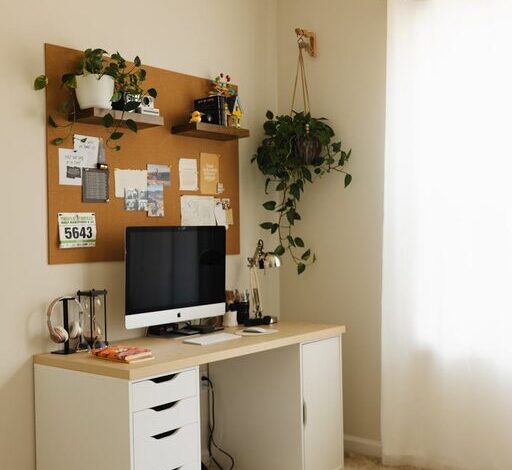
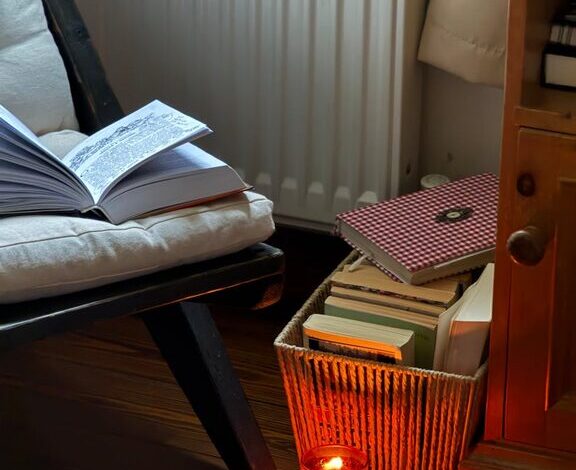
Creating a relaxing home office environment is essential for comfort, focus, and productivity, especially as many people spend increasing amounts of time working from home. A well-designed workspace helps reduce stress and encourages creativity. Whether you have a dedicated room or a small corner, these tips will guide you to craft a home office that feels both inviting and efficient.
Choose the Right Location
Prioritize Natural Light
Position your desk near a window if possible. Natural light brightens the space, improves mood, and helps regulate your body’s natural rhythms. Avoid direct glare on your computer screen by placing windows slightly to the side.
Find a Quiet Spot
Select a low-traffic area where distractions are minimal. If silence is hard to come by, consider soundproofing options like thick curtains or a white noise machine to help maintain focus.
Keep Your Workspace Organized
Declutter Regularly
A cluttered desk can increase stress. Keep only essential items within reach and store everything else neatly. Use drawers, shelves, or organizers to maintain order.
Use Functional Storage
Invest in storage solutions such as filing cabinets, baskets, or wall-mounted shelves. Label storage containers to quickly find what you need without creating a mess.
Focus on Comfort and Ergonomics
Invest in a Comfortable Chair
Choose a chair that supports your posture with adjustable height and lumbar support. Sitting comfortably reduces fatigue and helps maintain focus during long work sessions.
Set Up Proper Desk Height
Ensure your desk is set at a comfortable height where your elbows are at a 90-degree angle when typing. This reduces strain on your wrists and shoulders.
Position Your Screen Correctly
Place your monitor at eye level about 20-30 inches away to avoid neck and eye strain. Use a monitor stand or adjustable arm if needed.
Incorporate Soothing Colors and Decor
Select Calming Colors
Choose soft, neutral tones like light blues, greens, or grays. These colors have a calming effect and can help reduce stress during busy workdays.
Add Personal Touches
Decorate with items that inspire you, such as a favorite photo, artwork, or motivational quotes. Personal touches make your workspace inviting without becoming distracting.
Bring Nature Indoors
Use Indoor Plants
Plants improve air quality and add a natural, calming vibe to the office. Low-maintenance options like succulents or pothos are ideal for busy schedules.
Incorporate Natural Materials
Wood desks, wicker baskets, or stone accessories create a warm, grounded feel that connects you to nature and softens the space.
Manage Lighting Effectively
Combine Ambient and Task Lighting
Use a combination of overhead lighting and task lamps to reduce eye strain and create layers of light. Adjustable desk lamps help focus light where you need it most.
Use Warm Light Bulbs
Choose warm or soft white bulbs over cool, harsh lighting to make your office feel cozy and inviting.
Establish Boundaries Between Work and Relaxation
Define Your Workspace Visually
Use rugs, plants, or room dividers to separate your office area from the rest of your home, even if you share a room. This helps signal to your brain when it’s time to focus.
Set Clear Work Hours
Prevent burnout by setting specific work times and sticking to them. When the workday ends, step away from your desk and close the office space if possible.
Add Elements for Relaxation and Stress Relief
Incorporate Aromatherapy
Use essential oil diffusers or candles with calming scents, such as lavender or eucalyptus, to create a peaceful atmosphere.
Play Background Music or Nature Sounds
Soft instrumental music or nature sounds can mask distracting noises and help you concentrate.
Keep Technology Neat and Efficient
Manage Cables
Use cable organizers or clips to keep cords tidy and out of sight. A clean workspace helps reduce anxiety and distractions.
Choose Wireless Options
Where possible, opt for wireless keyboards, mice, and headphones to reduce clutter and allow for greater mobility.
Take Regular Breaks
Follow the 20-20-20 Rule
Every 20 minutes, look at something 20 feet away for 20 seconds to reduce eye strain.
Stretch and Move
Stand up, stretch, or take short walks inside or outside to refresh your mind and body throughout the day.
—
Creating a relaxing home office doesn’t require a complete makeover. By focusing on comfort, organization, natural elements, and clear boundaries, you can design a space that supports your well-being and productivity. Experiment with these tips and customize your environment to find what works best for you. Your home office should be a place where work feels less like a chore and more like a positive experience.